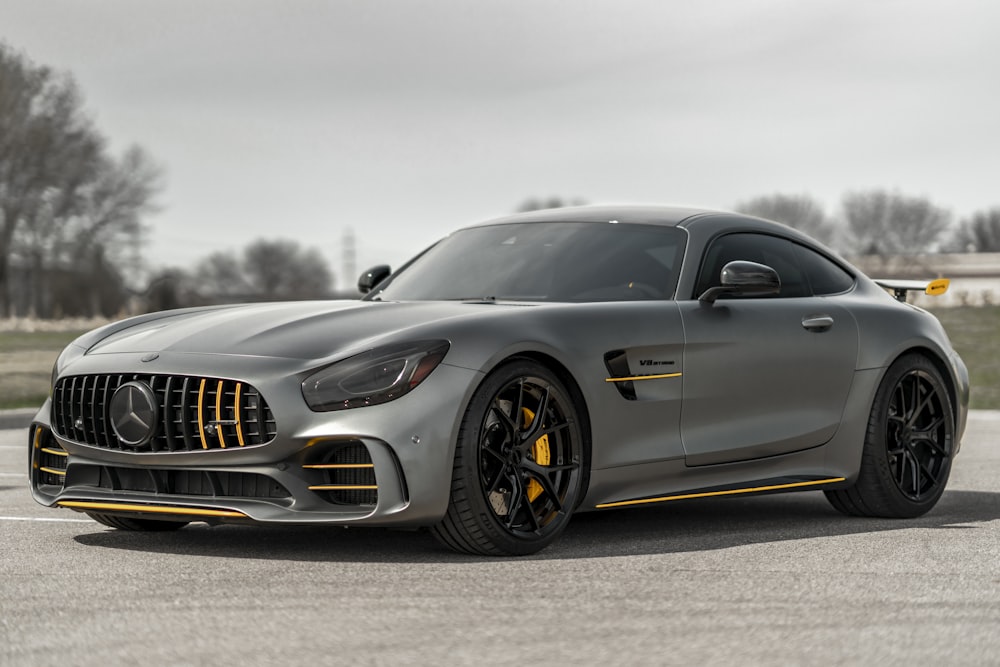
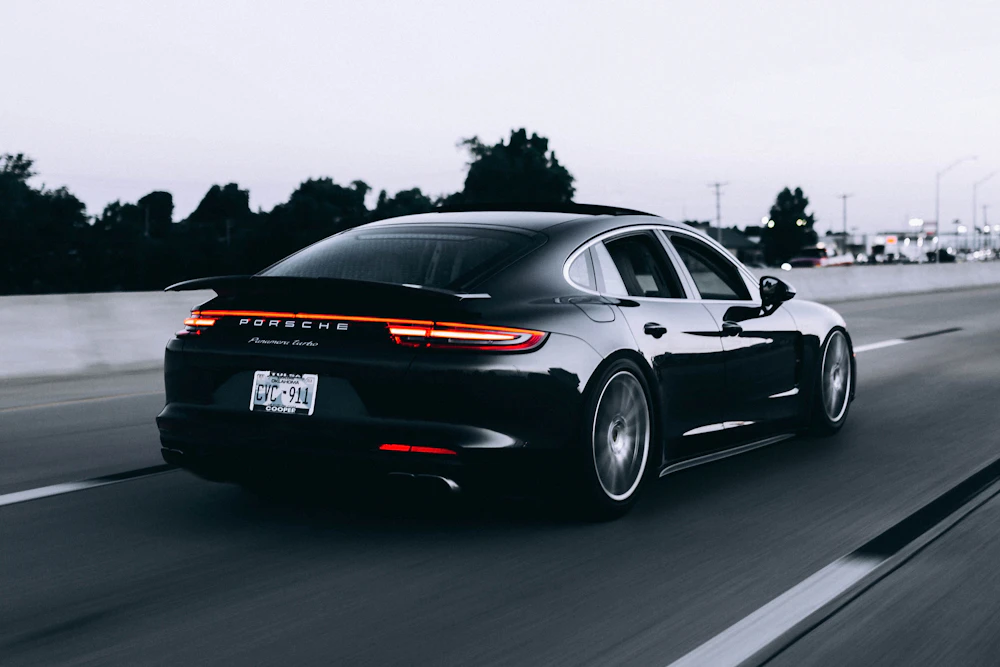
"Vehicle surface preservation often sparks debate between ceramic coatings and polyurethane protection films. Both serve vital roles, yet target entirely distinct threats."
Paint Protection Film (PPF) is an elastic polyurethane layer applied physically over painted panels. Its principal duty is kinetic defense: absorbing rock impacts, gravel spray, and harsh mechanical scratches.
Ceramic coatings, conversely, are liquid nano-quartz polymers that chemically bond with clear coat finishes. They deliver extreme hydrophobic slickness, UV chemical protection, and gloss enhancement.
The Two Threats They Address
Understanding which product a specific vehicle needs begins with understanding which threat the vehicle is most likely to encounter. The two threats are fundamentally different, and confusing them is the source of most of the debate surrounding these products.
Kinetic threats are physical impacts. Rock chips at highway speed, gravel spray from the vehicle ahead, track debris, and low-speed contact with other objects all fall into this category. Kinetic threats remove paint, deform metal, and create corrosion entry points. They cannot be prevented by a chemical coating because chemistry does not absorb impact.
Chemical and environmental threats are exposure-based. UV radiation, industrial fallout, bird droppings, tree sap, road salt, brake dust, and acidic rain all fall into this category. Chemical threats degrade clear coat, accelerate oxidation, and progressively reduce the optical clarity of the finish. They cannot be prevented by physical film alone because film is still vulnerable to chemical attack at its edges and seams.
Direct Comparison
The following table summarizes the key differences between the two products:
| Attribute |
Paint Protection Film |
Ceramic Coating |
| Primary threat addressed |
Kinetic — rock chips, gravel spray |
Chemical — UV, fallout, contamination |
| Material |
Polyurethane film (self-healing) |
Liquid SiO₂ quartz polymer |
| Application method |
Physically applied to panels |
Chemically bonded to clear coat |
| Typical lifespan |
5–10 years |
2–5 years |
| Cost range (mid-size vehicle) |
$1,200 (front) – $5,000+ (full body) |
$600 – $1,500 |
| Failure mode |
Yellowing, edge lifting, adhesion loss |
Gradual loss of hydrophobicity |
| Reversible |
Yes — film can be removed |
Yes — coating can be polished off |
How Each Product Fails
The two products are often marketed as alternatives, but they fail in completely different ways. Understanding those failure modes is the clearest way to decide which one — or which combination — a specific vehicle needs.
PPF fails when the film itself degrades. A quality film will yellow, cloud, or lose adhesion after five to ten years depending on sun exposure and climate. Once the film has failed, it must be removed and replaced. The paint beneath it, however, is typically preserved. Removing failing PPF reveals paint that has been sheltered from UV, physical impacts, and chemical attack for the entire life of the film.
Ceramic coatings fail more subtly. They do not crack or peel. Instead, they gradually lose their hydrophobic properties as the surface becomes contaminated with water spots, tree sap, and industrial fallout. A well-maintained coating can hold for three to five years. A neglected one — one that is never washed correctly — can degrade within eighteen months. Where the coating has failed, the affected panel must be cleaned and re-coated.
Which One a Vehicle Actually Needs
The question is not which product is better. The question is which threat the vehicle is most likely to encounter in its actual use:
- Highway commuting at speed. Rock chips and debris strikes are the dominant threat. PPF on the leading surfaces — hood, front bumper, side mirrors, and A-pillars — is the correct response.
- Urban parking and heavy traffic exposure. Chemical contamination, bird droppings, tree sap, and industrial fallout are the dominant threats. A ceramic coating is the correct response, because it provides a hydrophobic and chemically resistant surface without the visual interruption of film.
- Track or performance use. Both threats exist. A combination — PPF on the high-impact surfaces, ceramic over the remaining panels — is the correct answer, and it is what we recommend for most performance vehicles.
- Classic or low-mileage preservation. Long-term paint preservation from UV and environmental exposure is the dominant goal. A ceramic coating, refreshed on schedule, is the correct response.
What We Actually Recommend
In our own practice, we treat the two products as complementary rather than competing. On a new vehicle with factory paint in excellent condition, we recommend a full-front PPF application followed by a ceramic coating over the entire vehicle. This gives the front of the car physical defense and the rest of the paint chemical defense.
On a classic vehicle where originality is important, we recommend ceramic only. Adding PPF to a classic vehicle changes the appearance subtly, and the film is not appropriate for a surface that may have historical irregularities.
On a daily driver that is unlikely to see high-speed debris impacts, we recommend ceramic only. The cost of PPF is not justified for vehicles used primarily in city traffic.
The Cost Difference
PPF is significantly more expensive than ceramic coating. Full-front PPF application on a mid-size sedan typically runs between twelve hundred and two thousand dollars, depending on film quality and panel complexity. Full-body PPF on the same vehicle can run five thousand dollars or more. Ceramic coating on the same vehicle typically costs between six hundred and fifteen hundred dollars depending on product quality and preparation required.
The financial question is not whether to spend money on protection but where the protection will actually be used. A three-thousand-dollar PPF installation on a vehicle that spends its life at urban speeds is not a better investment than a thousand-dollar ceramic coating — it is simply a larger one.